How Guest Circulation Loops Through Interconnected Gaming Zones Reshape Table Occupancy Rates in Expansive Resort Properties
Taylor Krüger · Sep 2, 2026
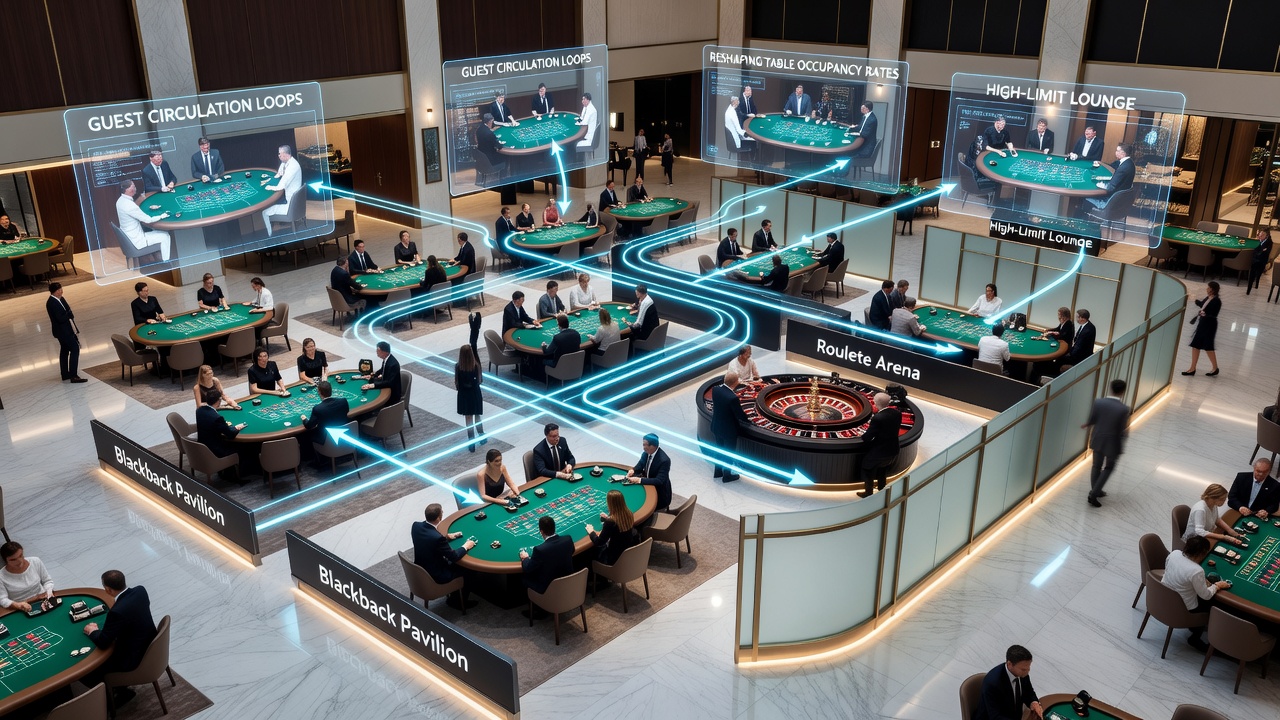
How Guest Circulation Loops Through Interconnected Gaming Zones Reshape Table Occupancy Rates in Expansive Resort Properties
Data from major resort operators shows that guest circulation loops form when pathways connect slot areas, table pits, restaurants and entertainment venues into continuous routes that guests follow during their visits, and these patterns directly influence how tables fill up or empty throughout the day. Observers note that in properties spanning several hundred thousand square feet, the way people move between zones creates predictable peaks and lulls at blackjack, roulette and poker tables rather than random fluctuations.
Mapping the Flow Between Zones
Resort layouts typically link high-limit salons to main floor pits through wide corridors and escalators, while side entrances funnel visitors from hotel towers straight into specific gaming sections, and researchers tracking foot traffic with sensors have documented how these connections generate looped routes that repeat every few hours. Studies conducted across multiple properties indicate that when a central bar or restaurant sits at the intersection of two loops, guests pause there and then redistribute toward nearby tables, which raises occupancy rates in those immediate areas by measurable percentages during evening hours.
September 2026 figures released by the Nevada Gaming Control Board revealed that resorts with multiple interconnected loops experienced table utilization rates climbing to 78 percent during peak circulation windows, whereas properties with more linear layouts stayed closer to 62 percent under similar visitor volumes. teh board's monthly reports track these metrics through dealer shift logs and table opening schedules, providing consistent data points that highlight the role of movement patterns over isolated demand.
Effects on Specific Table Types
Blackjack and craps tables positioned along primary circulation routes see faster turnover because arriving guests fill seats quickly after completing one loop segment, yet baccarat salons tucked behind secondary pathways maintain steadier but lower occupancy unless a connecting walkway opens new access points. Data indicates that poker rooms benefit when they sit at the convergence of multiple loops since players rotate in from adjacent zones without needing to backtrack, and this configuration has led some operators to adjust dealer assignments based on predicted arrival waves rather than fixed schedules.
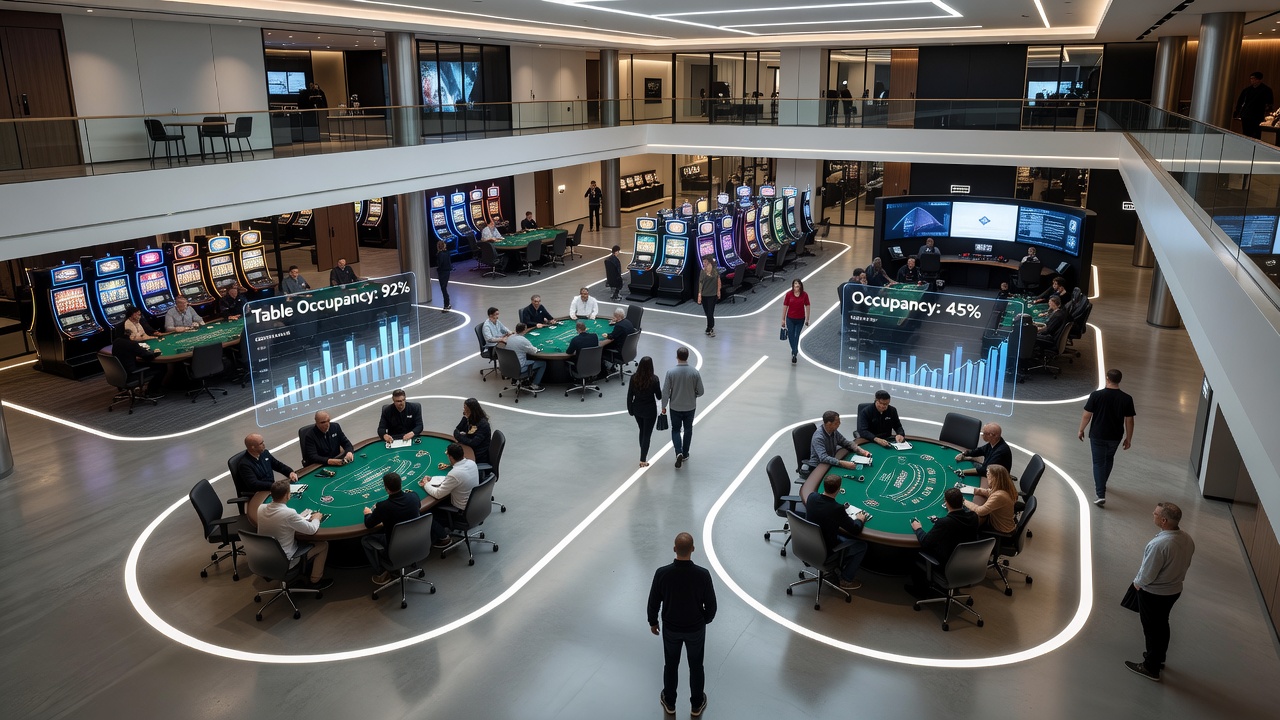
One analysis of sensor data from a 1.2 million square foot property found that tables within 50 feet of a loop junction maintained average occupancy above 70 percent for four consecutive hours, while tables farther out dropped below 40 percent during the same period. Operators respond by shifting portable barriers and signage to nudge flows toward underused sections, and these adjustments have produced documented increases in table openings without requiring additional staffing.
Seasonal and Operational Adjustments
Regulatory filings show that resorts monitor circulation changes during holiday periods and large events because visitor volume spikes can overload certain loops while leaving others under capacity, and September 2026 reports noted that properties which reconfigured entrances ahead of major conventions achieved more balanced table occupancy across all zones. The American Gaming Association compiles industry-wide statistics that confirm these interventions reduce idle table time, although the precise impact varies by property size and layout complexity.
University research teams have examined RFID tracking of player cards to map how long guests remain in one loop before switching, and findings reveal that average dwell times in high-traffic corridors range from 45 to 90 minutes before redistribution occurs. This information helps floor managers anticipate when tables near entertainment exits will see sudden influxes, allowing them to open additional stations in advance rather than reacting after queues form.
Conclusion
Resort operators continue to refine circulation designs based on accumulated sensor and occupancy data, since the connections between gaming zones determine where guests spend their time and how tables fill throughout operating hours. Reports from regulatory bodies and industry groups demonstrate that targeted adjustments to pathways produce measurable shifts in utilization rates across different table categories, providing operators with actionable patterns rather than relying solely on overall visitor counts. These dynamics remain central to daily management in large-scale properties where interconnected routes shape the distribution of activity across expansive floors.